Christopher Hernandez
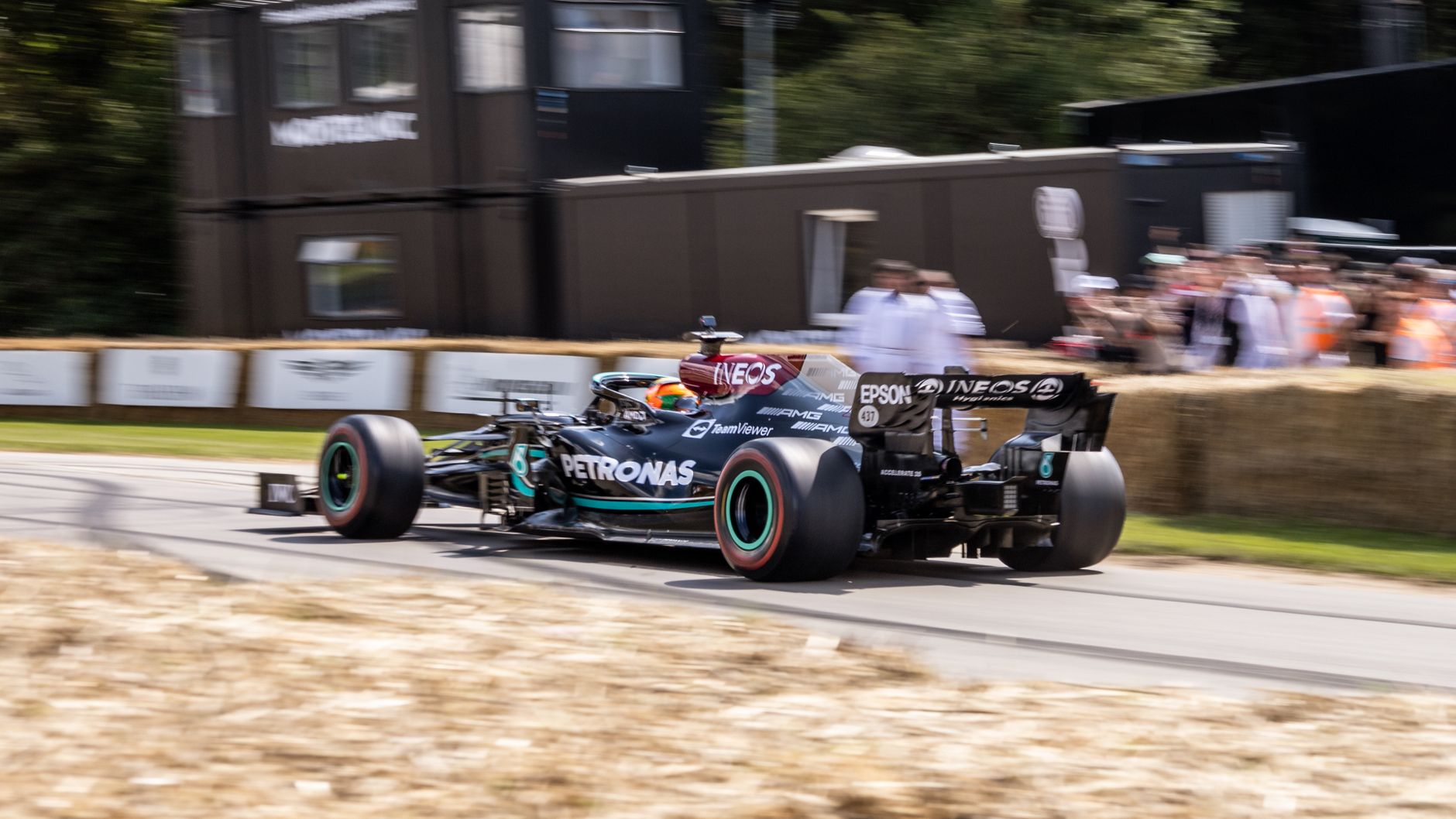
Ferrari Azerbaijan GP changes have sparked controversy, as Lewis Hamilton bemoans the team’s decision to alter their qualifying strategy for the event.
Overview of the Azerbaijan GP
The Azerbaijan Grand Prix is known for its unique challenges and high-speed street circuit, often leading to unpredictable outcomes. This year, the Ferrari Azerbaijan GP has drawn significant attention due to strategic decisions that have sparked debates among fans and analysts alike.
Lewis Hamilton recently expressed his disappointment regarding Ferrari’s alterations to their qualifying strategy. The adjustments made by the Scuderia have raised eyebrows, especially considering the potential implications for the championship standings. Hamilton stated that these changes could complicate the race dynamics, particularly as teams navigate the tight corners and long straights of the Baku circuit.
In the lead-up to the race, several key factors will influence performance:
- Track Conditions: Weather and surface grip are crucial in determining lap times and tire strategies.
- Car Setup: Teams must find the perfect balance between speed and stability to tackle the circuit’s challenges.
- Qualifying Position: Starting from a favorable grid position is essential for a strong race outcome.
As the Ferrari Azerbaijan GP approaches, the implications of Ferrari’s decision-making will be closely watched. Fans and competitors alike are eager to see how these strategies will play out on race day and if they will impact Hamilton’s performance on the track.
Hamilton’s Reaction to Changes
In a recent statement, Lewis Hamilton expressed his discontent with Ferrari’s new strategy for the Azerbaijan GP. The changes, which were implemented shortly before the qualifying session, caught many teams off guard, including Hamilton’s Mercedes. In his remarks, Hamilton highlighted the potential risks associated with such last-minute alterations.
“It’s frustrating to see a team like Ferrari altering their plan right before such a crucial part of the race weekend,” Hamilton noted. He believes that these sudden shifts not only disrupt the flow of the event but also place additional pressure on drivers who are trying to adapt quickly.
Furthermore, Hamilton pointed out that the unpredictability of the Azerbaijan GP makes it even more challenging. With its narrow streets and tight corners, the circuit requires a stable and well-thought-out strategy. “You can’t just throw a different plan into the mix and expect everything to fall into place,” he added.
He also mentioned that while Ferrari’s intentions may have been to gain a competitive edge, the execution could lead to unforeseen consequences. “At this level, every detail matters,” Hamilton emphasized. “Changing tactics on the fly can backfire, and we have seen that happen before.”
As the Azerbaijan GP approaches, Hamilton’s concerns reflect the intricate dynamics of Formula 1, where strategy can make or break a race.
Ferrari’s New Qualifying Strategy
Ferrari’s recent decision to alter their qualifying strategy for the Azerbaijan GP has stirred considerable debate among fans and analysts alike. With the aim of maximizing their performance on the challenging streets of Baku, the team has made adjustments that some believe could backfire.
Many experts argue that the shift in tactics could inadvertently benefit rival teams, particularly Mercedes and their star driver, Lewis Hamilton. Hamilton has openly expressed his concerns regarding Ferrari’s new approach, suggesting that it may not yield the expected advantages. He stated, “Changing strategies during such a crucial time can be risky, and I’m not convinced it’s the right move for them.”
Ferrari’s revamped qualifying plan includes:
- New tire selection: Opting for a different compound in hopes of better grip.
- Adjusted lap timings: Aiming for optimal track position during qualifying runs.
- Strategic teamwork: Utilizing both drivers more cooperatively to enhance their overall performance.
While these changes could offer Ferrari an edge, the unpredictability of the Baku circuit makes it a gamble. As the Azerbaijan GP approaches, the Formula 1 community is left to ponder whether Ferrari’s new qualifying strategy will pay off or if it might just be the wrong move for Hamilton and the rest of the grid.
Impact on Race Performance
The recent changes in strategy by Ferrari for the Azerbaijan GP have raised concerns about their impact on race performance. Lewis Hamilton has publicly voiced his discontent regarding these adjustments, suggesting that they could disrupt the competitive balance of the race.
Ferrari’s decision to alter their qualifying plan is seen as a significant gamble that might backfire. The Ferrari Azerbaijan GP plan aims to enhance their on-track positioning, yet it introduces variables that could complicate their race execution. Several factors may influence their overall performance:
- Track Conditions: The unpredictable nature of the Baku City Circuit can lead to unexpected challenges, making any strategic changes risky.
- Pit Stop Strategy: An altered qualifying plan may necessitate a different approach to pit stops, impacting tire management and overall race pace.
- Driver Coordination: Adjustments in strategy require seamless teamwork among drivers, which can be tested under the pressure of a high-stakes race.
- Competitor Reactions: Rivals like Mercedes will likely adapt to Ferrari’s new approach, potentially nullifying any advantages they hoped to gain.
As the race day approaches, teams will be watching closely to see whether Ferrari’s bold move pays off or if it becomes a strategic misstep that hampers their chances on the track.
Historical Context of Azerbaijan GP
The Azerbaijan Grand Prix has a rich history since its debut in 2017, showcasing a unique street circuit that challenges drivers with its tight corners and high-speed straights. Over the years, the race has become a pivotal point in the Formula 1 calendar, often affecting championship standings. Notably, its unpredictable nature has led to significant upsets and memorable moments.
This year, the Ferrari Azerbaijan GP plan introduced a new qualifying strategy that has stirred controversy. Historically, Ferrari has struggled to maintain consistent performance in Baku, often falling victim to the circuit’s demanding layout. Changes in their approach this time have sparked debates among fans and analysts alike.
Lewis Hamilton, a seasoned veteran in the sport, expressed his discontent with Ferrari’s alterations to their qualifying plan. He emphasized that such changes could backfire, impacting not only Ferrari’s performance but also the overall dynamics of the race. The unpredictability of the Azerbaijan GP means that even minor adjustments can lead to significant consequences on race day.
As the teams prepare for the next race, the eyes of the motorsport community will be on Ferrari’s strategy. Will their new plan pay off, or will it become another chapter in the turbulent history of the Azerbaijan GP? Only time will tell how this decision impacts the outcome of the championship this season.
Fan Reactions to the Changes
Fans have taken to social media to express their thoughts on the recent changes to the Ferrari Azerbaijan GP qualifying plan, with many opinions varying widely. While some support the new strategy, others believe it may hinder Hamilton’s chances for a strong performance.
- Mixed Feelings: A significant number of fans argue that Ferrari’s adjustments could provide an unexpected advantage in qualifying, possibly reshaping the dynamics on race day.
- Support for Hamilton: Conversely, many supporters of Lewis Hamilton have voiced their disappointment, suggesting that the changes may disrupt the competitive balance that many have come to enjoy during the Azerbaijan GP.
- Strategic Concerns: Some fans have pointed out that while innovation in strategy is essential, it can lead to unforeseen consequences that might backfire, especially in a high-stakes race like this.
- Historical Context: Given the unpredictable nature of the Azerbaijan GP, fans recall past instances where qualifying strategies have played a pivotal role in determining the outcome of the race.
Overall, the fan reactions highlight a deep investment in the sport, revealing how passionate supporters are about the intricacies of race strategies and their implications for drivers like Hamilton.
Expert Opinions on Strategy
As the excitement builds for the upcoming Ferrari Azerbaijan GP, experts are weighing in on the implications of the team’s new qualifying strategy. Many analysts believe that the shift in tactics could have significant repercussions for not only Ferrari but also for Lewis Hamilton and his team.
One prominent motorsports analyst commented, “Ferrari’s decision to alter their qualifying approach is a risky move. While it may provide short-term gains, it can lead to unforeseen consequences during the race.” This sentiment is echoed by several former drivers who have voiced concerns about the team’s ability to adapt under pressure.
- Potential for Overheating: Analysts warn that Ferrari’s new strategy may lead to overheating tires, a common issue on the demanding Baku street circuit.
- Impact on Race Pace: Others suggest that while qualifying may see improvements, the real test will be maintaining race pace, especially against seasoned drivers like Hamilton.
- Strategic Risks: Some experts believe that Hamilton’s team is likely to capitalize on any mistakes made by Ferrari, making the race a true battle of strategy.
With varying opinions on the Ferrari Azerbaijan GP plan, it remains to be seen whether this gamble will pay off or if it will backfire, ultimately affecting Hamilton’s chances for success this season.
Future Implications for Ferrari
The recent changes to Ferrari’s strategy during the Azerbaijan GP have sparked discussions about the long-term implications for the team and its competitors. While the adjustments were made with the intention of enhancing performance, critics argue that these decisions could have far-reaching consequences.
One of the primary concerns is how Ferrari’s new qualifying strategy may affect the team’s standing in future races. By altering their approach, Ferrari risks alienating fans who have come to appreciate their traditional methods. Moreover, the unpredictability of such changes can lead to inconsistent performances on the track.
As Lewis Hamilton pointed out, the timing of these decisions is crucial. A shift in strategy during a pivotal race like the Azerbaijan GP can disrupt the momentum built over previous competitions. This is particularly significant given the competitive nature of the current season, where every point counts.
Furthermore, as Ferrari navigates this new path, they must consider how their rivals will respond. Teams like Mercedes and Red Bull are constantly analyzing their opponents, and any perceived weakness could be exploited. In this context, Ferrari’s changes may not only impact their race-day performance but could also influence the overall championship battle.
- Risk of inconsistency: Shifting strategies can lead to unpredictable results.
- Fan engagement: Traditional fans may feel alienated by significant changes.
- Rival analysis: Competitors are quick to adapt to Ferrari’s new tactics.
The Ferrari Azerbaijan GP strategy has raised eyebrows among fans and analysts alike. Many believe that the Ferrari Azerbaijan GP plan could ultimately hinder Hamilton’s chances for a successful season.
Read the original
Related reading
Harry Brook Performance: The Best Proven Insights for Success · Survivor 51 Kalshi Markets: What’s the Best Betting Strategy? · Kalshi prediction markets: What’s the Right Legal Path?