Christopher Hernandez
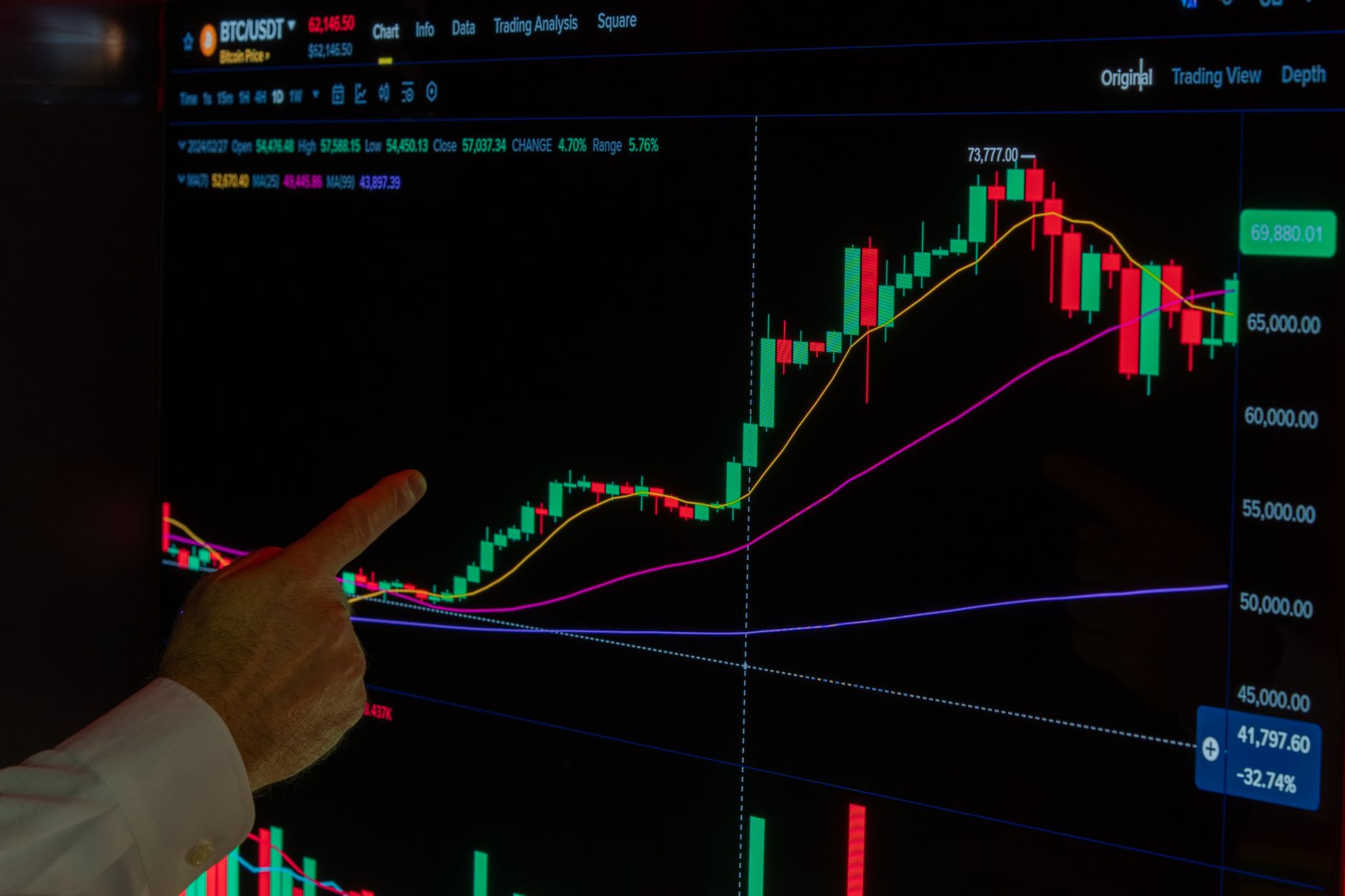
Betting demand predictions indicate that the appetite for gambling continues to grow, despite the uncertainties surrounding prediction markets’ legal status.
Understanding Betting Demand
As the landscape of sports betting continues to evolve, understanding betting demand becomes crucial for stakeholders in the industry. Recent insights from industry leaders highlight that consumer interest in betting remains strong, even amid fluctuating regulations and market conditions. This resilience suggests that betting demand predictions may not always align with actual consumer behavior.
Experts indicate that several factors contribute to the persistent demand for betting, including:
- Increased Accessibility: The expansion of online betting platforms has made it easier for consumers to engage with sports events.
- Technological Advances: Innovations in mobile betting and real-time data analytics enhance the user experience, driving more engagement.
- Social Engagement: The rise of social media and community-driven platforms has created a culture around betting, further boosting demand.
- Event Popularity: Major sporting events, such as the Super Bowl and World Cup, generate heightened interest and spur betting activity.
While some analysts may suggest that betting demand could wane with regulatory challenges, the evidence indicates that consumer enthusiasm is likely to persist. As the industry adapts to changing legal frameworks, understanding betting demand will be key to navigating the future landscape effectively. The ongoing resilience of betting demand reflects a market that is not easily swayed by external factors.
The Future of Prediction Markets
The landscape of prediction markets is evolving, shaped by shifting regulations and growing consumer interest. As the CEO of Genius Sports has indicated, betting demand predictions remain robust, highlighting an ongoing appetite for wagering that transcends legal uncertainties.
Several factors are influencing the future of prediction markets:
- Technological Advancements: Innovations in data analytics and machine learning are enhancing the accuracy of betting demand predictions. These tools allow operators to better understand consumer behavior and preferences, which can lead to more tailored offerings.
- Increased Legalization: As more jurisdictions embrace legalized sports betting, the potential market for prediction markets grows. This trend is likely to continue as states recognize the revenue opportunities and economic benefits of regulated betting.
- Consumer Engagement: With the rise of mobile applications and online platforms, consumers have unprecedented access to prediction markets. This convenience fosters higher engagement and participation, further driving demand.
- Global Market Dynamics: The globalization of sports and events provides a broader base for betting demand predictions. International competitions and cross-border betting platforms are expanding the reach of prediction markets, attracting diverse audiences.
In conclusion, while the legal landscape remains complex, the underlying demand for betting continues to thrive, suggesting a resilient future for prediction markets.
Genius Sports CEO Insights
During a recent interview, the CEO of Genius Sports shared valuable insights into the evolving landscape of betting demand predictions. He emphasized that despite the fluctuations in legal frameworks surrounding prediction markets, the appetite for betting continues to grow robustly.
“Our data indicates that consumer interest in betting has not waned,” he stated. “In fact, the demand for accurate predictions and insights into betting trends is more crucial than ever.” The CEO highlighted several key factors that contribute to the sustained enthusiasm for betting, including:
- Increased accessibility of online betting platforms
- Growing integration of advanced analytics and technology
- The emergence of new betting markets and opportunities
He also noted that the rise of mobile technology has significantly transformed how fans engage with sports and betting. With real-time updates and user-friendly interfaces, more individuals are participating in betting activities than before. This shift has created a dynamic environment where betting demand predictions play a pivotal role in shaping strategies.
As the legal landscape evolves, the CEO remains optimistic about the future. “We believe that the core interest in betting will outlast any regulatory changes,” he asserted. “Our focus is on providing the tools and insights that empower bettors amidst this changing environment.”
Legal Challenges in Gambling
As the landscape of gambling continues to evolve, legal challenges present significant hurdles for the betting industry. Various jurisdictions are grappling with the rapid expansion of online betting platforms and the complexities of regulatory compliance. This has led to a patchwork of laws that vary widely from one region to another, complicating the betting demand predictions made by industry experts.
In many areas, lawmakers are struggling to keep pace with technological advancements and shifting consumer preferences. The result is often a delay in legislative action that could address emerging betting markets. As Genius Sports CEO highlighted, the intricate relationship between legal frameworks and betting demand is crucial for the future of the industry.
Some of the prominent legal challenges include:
- Regulatory Compliance: Companies must navigate complex regulations that differ by state or country.
- Licensing Issues: Obtaining the necessary licenses can be a lengthy and expensive process.
- Taxation Policies: High tax rates can deter operators from entering certain markets.
- Consumer Protection: Ensuring responsible gambling practices while promoting growth is a delicate balance.
These factors not only shape the current landscape but also heavily influence future betting demand predictions. As the industry adapts, addressing these legal challenges is essential for sustainable growth.
Market Trends in Sports Betting
The landscape of sports betting has been rapidly evolving, with significant market trends shaping the future of the industry. As betting demand predictions indicate an increase in participation, various factors are contributing to this surge.
One of the most notable trends is the rise of mobile betting applications, which have made wagering more accessible than ever. With a growing number of states in the U.S. legalizing sports betting, there has been a marked increase in users engaging with these platforms. This shift has prompted operators to enhance their offerings and streamline user experiences.
Moreover, the integration of advanced analytics and real-time data has transformed how bettors approach their wagers. These tools enable users to make informed decisions, fostering a more engaged betting community. As Genius Sports CEO noted, the demand for accurate data has never been higher, driving innovation within the sector.
Additionally, the influence of social media cannot be overlooked. As more bettors share their predictions and strategies online, the community aspect of sports betting is growing, further fueling demand. These evolving dynamics suggest that the market will continue to adapt and thrive, even as legal challenges persist.
In summary, the current trends in sports betting reflect a robust environment, with betting demand predictions pointing toward sustained growth in the coming years.
Consumer Behavior in Gambling
As the landscape of gambling continues to evolve, consumer behavior plays a significant role in shaping betting demand predictions. Understanding how individuals approach betting can provide valuable insights into future trends and market dynamics.
Research indicates that several factors influence consumer decisions in the gambling space:
- Convenience: The rise of mobile betting applications has made it easier for consumers to place wagers anytime and anywhere, driving up demand.
- Social Interaction: Many users engage in betting as a social activity, leveraging platforms that allow them to interact with friends and fellow bettors.
- Promotions and Bonuses: Attractive promotional offers can significantly impact consumer behavior, as bettors are often drawn to platforms that provide incentives.
- Transparency: As more operators focus on responsible gambling practices, transparency regarding odds and potential risks has become crucial in fostering trust among consumers.
Moreover, the impact of cultural factors cannot be overlooked. In regions where gambling is deeply ingrained in the culture, betting demand predictions tend to be higher. Understanding these aspects allows operators to tailor their marketing strategies effectively, ensuring they meet the evolving needs of consumers.
Ultimately, the interplay of these factors will significantly influence the future of betting, making it essential for stakeholders to stay attuned to changing consumer preferences.
Impact of Regulations on Betting Demand
The landscape of sports betting continues to evolve, significantly influenced by regulatory frameworks across various regions. As governments implement stricter regulations or, conversely, relax existing laws, the betting demand predictions are increasingly impacted by these legal shifts.
In regions where regulations are becoming more favorable, there is often a marked increase in betting activity. This shift can be attributed to a combination of factors:
- Increased Accessibility: With more platforms operating legally, consumers have easier access to betting options, driving higher participation rates.
- Consumer Trust: Legal regulations enhance consumer confidence, as bettors feel more secure engaging in activities that are sanctioned by authorities.
- Market Competition: A regulated environment encourages competition among operators, often leading to better odds and promotions for consumers, further stimulating demand.
Conversely, in regions facing stringent regulations or outright bans, the betting demand predictions tend to decline sharply. This scenario often pushes consumers toward illegal or unregulated alternatives, creating a risky environment.
Overall, it is clear that regulations play a critical role in shaping betting demand. As the industry anticipates future legal developments, stakeholders must adapt their strategies to align with shifting regulatory landscapes, ensuring they meet consumer expectations and capitalize on potential market opportunities.
Photo by Rafael Minguet Delgado on Pexels